Foshan Yunlu Wetland Park
Project Information
- Project Location:
- China Foshan, Guangzhou
- Project Scale:
- 58.14 Hectares
- Design Time:
- January 2024
- Build Time:
- February 2026
Project Profile
1. Project Statement
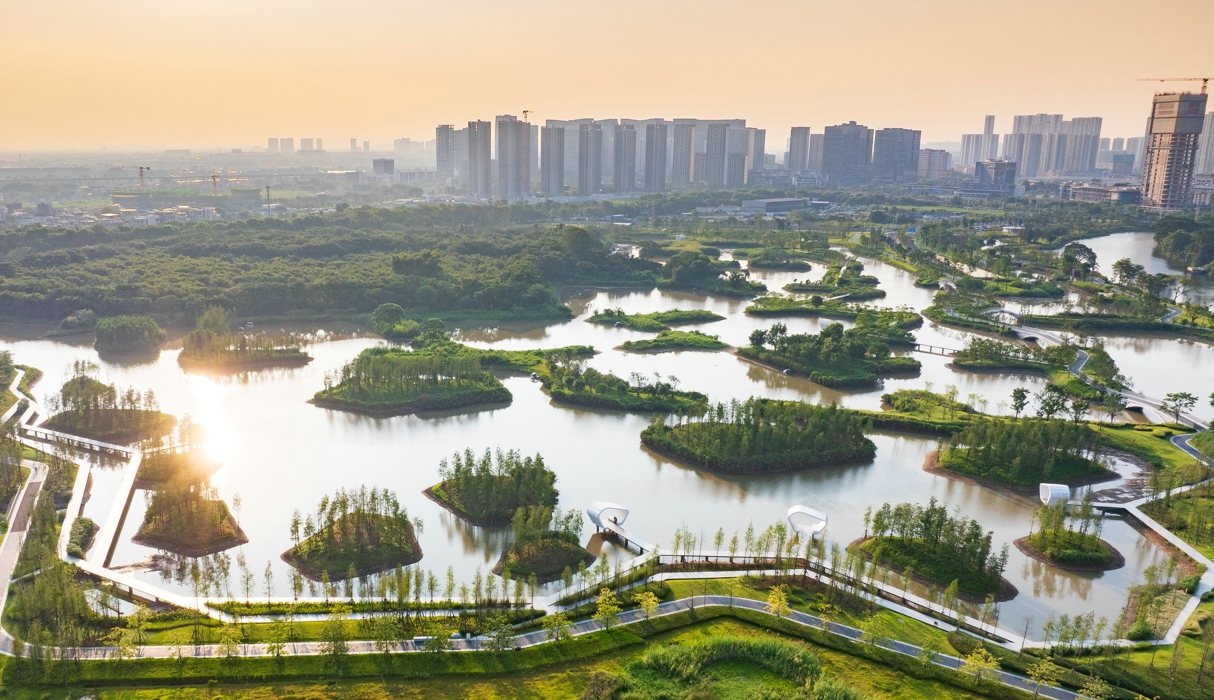
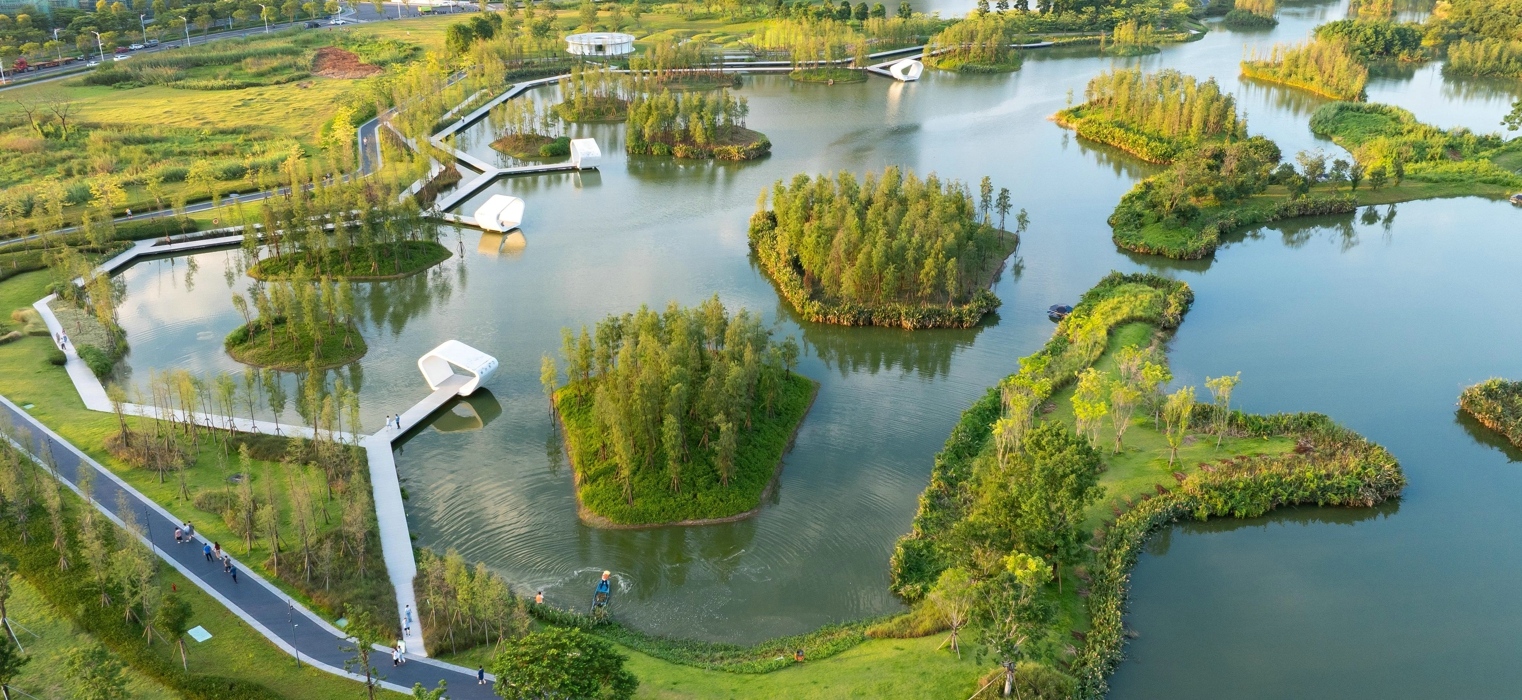
Shunde envisions Yunlu Wetland Park, covering approximately 58 hectares, as the ecological heart of the emerging Yunlu District. The ambition is to create the world's first urban-core wetland park dedicated to heron and egret conservation and harmonious coexistence between people and birds.
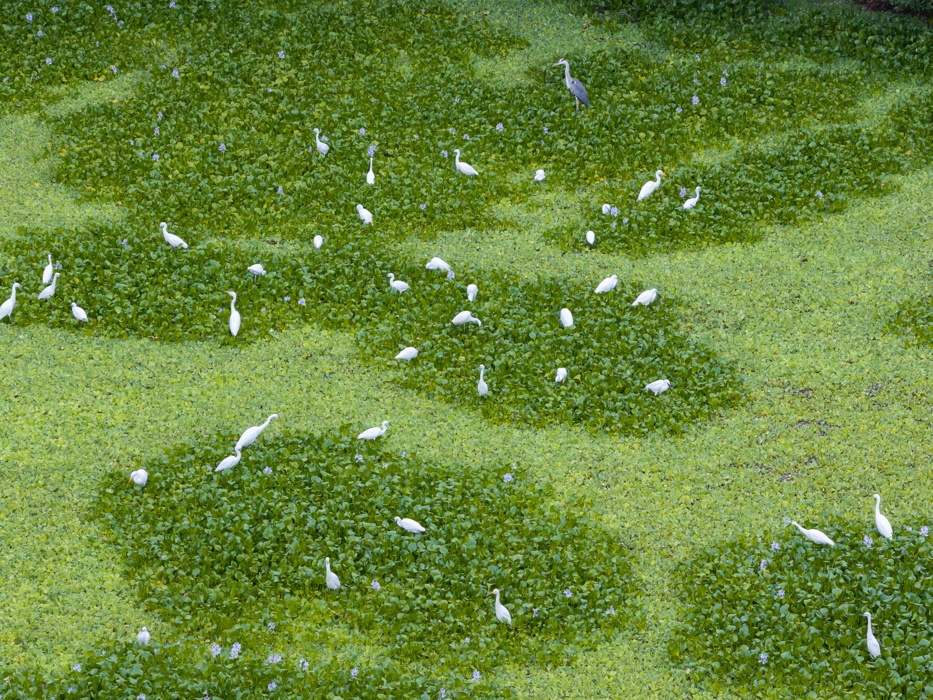
Home to one of the most significant concentrations of herons and egrets in the Guangdong–Hong Kong–Macao Greater Bay Area, the site also embodies the ecological wisdom of Shunde's traditional mulberry-dike fishpond system.
Guided by the principles of ecological priority, habitat conservation, and minimal intervention, the project integrates traditional ecological wisdom with contemporary nature-based solutions. Through three complementary strategies—Sponge-City Design, Rewilding, and Immersive Nature Experience—it seeks to restore degraded wetlands, safeguard bird habitats, and reconnect urban communities with nature.
The project explores a new model for integrating biodiversity conservation, urban water resilience, and public life in high-density cities. It reimagines wetlands as essential green infrastructure, birds as permanent inhabitants of the city, and nature as a shared foundation for urban well-being.
Rooted in local ecological traditions yet addressing global urban challenges, Yunlu Wetland Park aspires to become an international model for human–bird coexistence, demonstrating how traditional Chinese ecological wisdom can inform the future of urban development.
2. Objective and Challenge
Objective
To create the world's first urban-core wetland park dedicated to heron and egret conservation, where people and nature can thrive together.
Building on the ecological wisdom of the traditional mulberry-dike fishpond system, the project adopts habitat conservation, ecological restoration, and minimal intervention as guiding principles. It seeks to establish a replicable model for reconciling biodiversity conservation with public life in high-density urban environments.
Three Key Challenges
Challenge 1: How Can a Traditional Waterscape Come Back to Life? — From Abandoned Fishponds to a Resilient Wetland
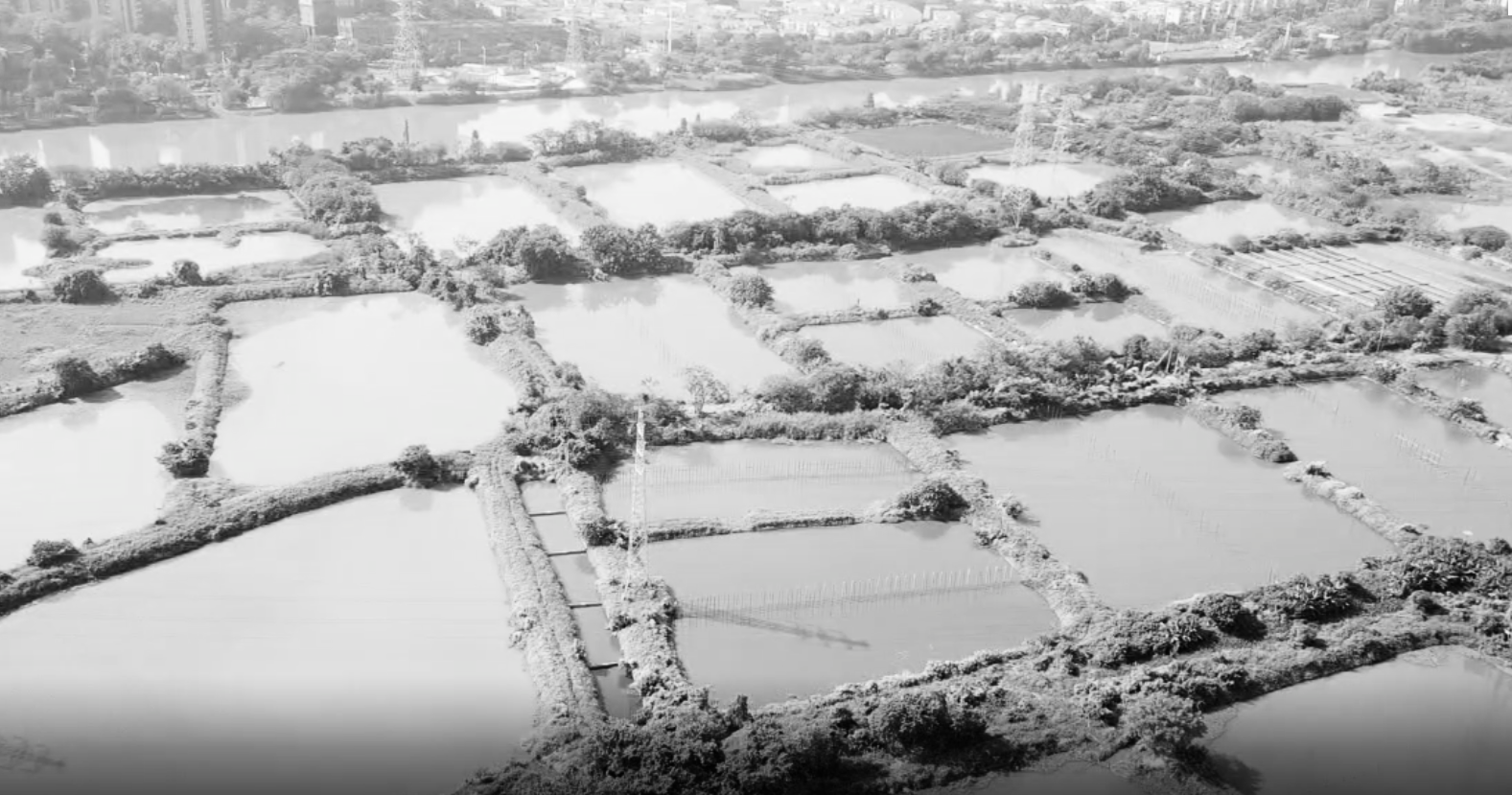
The site consists largely of abandoned fishponds, where limited hydrological connectivity, insufficient water circulation, and progressive ecological degradation have weakened the wetland ecosystem.
Shunde's traditional mulberry-dike fishpond system represents generations of ecological knowledge and forms an essential part of the cultural identity of the Lingnan water towns.
The first challenge is how to preserve this distinctive cultural landscape while applying contemporary ecological design to restore natural hydrological processes and ecosystem functions, transforming traditional wisdom into a forward-looking model of urban wetland regeneration.
Challenge 2: How Can Urban Growth Make Room for Birds? — From Habitat Protection to Human–Bird Coexistence
The site supports a remarkable population of herons and egrets, providing valuable yet sensitive habitats within an increasingly urbanized landscape.
As the surrounding district develops, construction activities, human disturbance, and potential habitat fragmentation may threaten the ecological conditions on which these birds depend.
The central challenge is how to safeguard existing habitats while restoring and expanding suitable ecological spaces, establishing a connected and resilient wetland ecosystem where biodiversity conservation and urban development can coexist.
Challenge 3: How Can Conservation and Urban Life Reinforce Each Other? — From Ecological Protection to Shared Nature
The currently undeveloped site has limited public infrastructure and offers few opportunities for recreation, environmental education, or meaningful engagement with nature.
As the ecological centerpiece of the future Yunlu District, the wetland must provide both a secure sanctuary for birds and a high-quality public landscape for urban communities.
The third challenge is how to accommodate nature-based recreation, environmental education, and public activities without compromising sensitive habitats. The design must establish an appropriate balance between ecological protection and human access, allowing people to experience the benefits of nature while respecting the needs of wildlife.
3. Design Strategies
Drawing on Traditional Ecological Wisdom to Regenerate an Urban Wetland
In response to the dual imperatives of urban development and bird conservation, the project brings together the ecological intelligence of Shunde's traditional mulberry-dike fishpond system and contemporary ecological engineering.
Centered on bird habitat protection and restoration, the design introduces three integrated strategies—Sponge-City Design, Rewilding, and Immersive Nature Experience—to transform an underperforming landscape into resilient, living green infrastructure.
Through nature-based solutions, the project aims to restore wetland hydrology, enhance biodiversity, and create new relationships between the city, its people, and wildlife.
Two key ecological objectives guide the design:
Biodiversity Conservation: Approximately 9 hectares of bird habitat are planned for protection and restoration, providing diverse and secure environments for feeding, roosting, and breeding. According to project monitoring records, peak bird counts have reached approximately 30,000 individuals, predominantly egrets, black-crowned night herons, Chinese pond herons, cattle egrets, and grey herons. Oriental storks have also been recorded, with counts ranging from 6 to 30 individuals across different observation periods.
Urban Flood Resilience: Approximately 51 hectares of wetland are planned for restoration. By improving hydrological connectivity and enabling bidirectional water regulation, the wetland will function as green sponge infrastructure for stormwater retention, water purification, and flood mitigation. Integrated into the Nanshun No. 1 Polder flood-control and drainage system, the project is designed to support regional flood protection and drainage objectives associated with 50-year and 30-year return periods, respectively.
Strategy 1: Sponge-City Design — Let Water Flow Again, and Let Nature Do the Work
The project transforms the existing fishpond network into a living urban sponge capable of retaining stormwater, improving water quality, and restoring ecological processes.
Guided by the six principles of sponge-city design—storage, infiltration, detention, purification, reuse, and drainage—the scheme coordinates with regional water management plans to reconnect the Guipanhai and Jizhou Dachong waterways.
Existing fishponds, channels, and wetlands are integrated into a resilient hydrological system that allows water to circulate, be temporarily retained, and be released in a controlled manner, enhancing the landscape's capacity to respond to changing rainfall and flood conditions.
A nature-based water purification system, incorporating terraced weirs and wetland vegetation, harnesses natural processes to slow, filter, and cleanse water. These ecological systems are also integrated into interpretive landscapes and educational programs, transforming the wetland itself into a living demonstration of sponge-city principles.
Strategy 2: Rewilding — Restore Habitat and Give Birds Room to Thrive
Rather than imposing a highly engineered landscape, the project prioritizes minimal intervention and ecological regeneration, allowing natural processes to restore a resilient, increasingly self-sustaining wetland ecosystem.
Informed by ornithological studies and interdisciplinary expert consultation, the design establishes dedicated conservation zones and habitat buffers to protect sensitive breeding, roosting, and foraging areas.
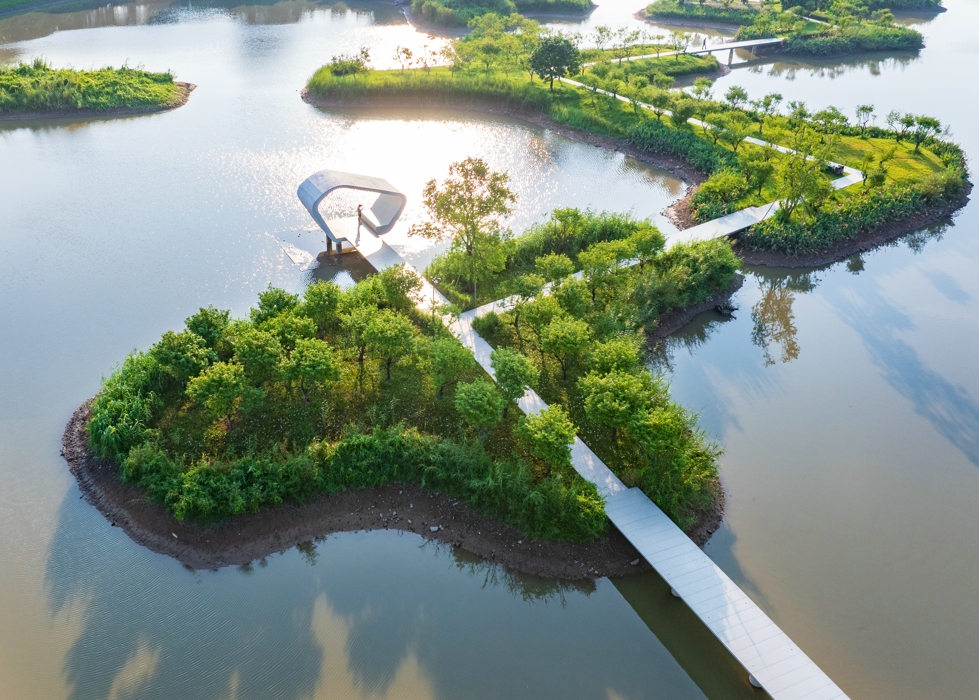
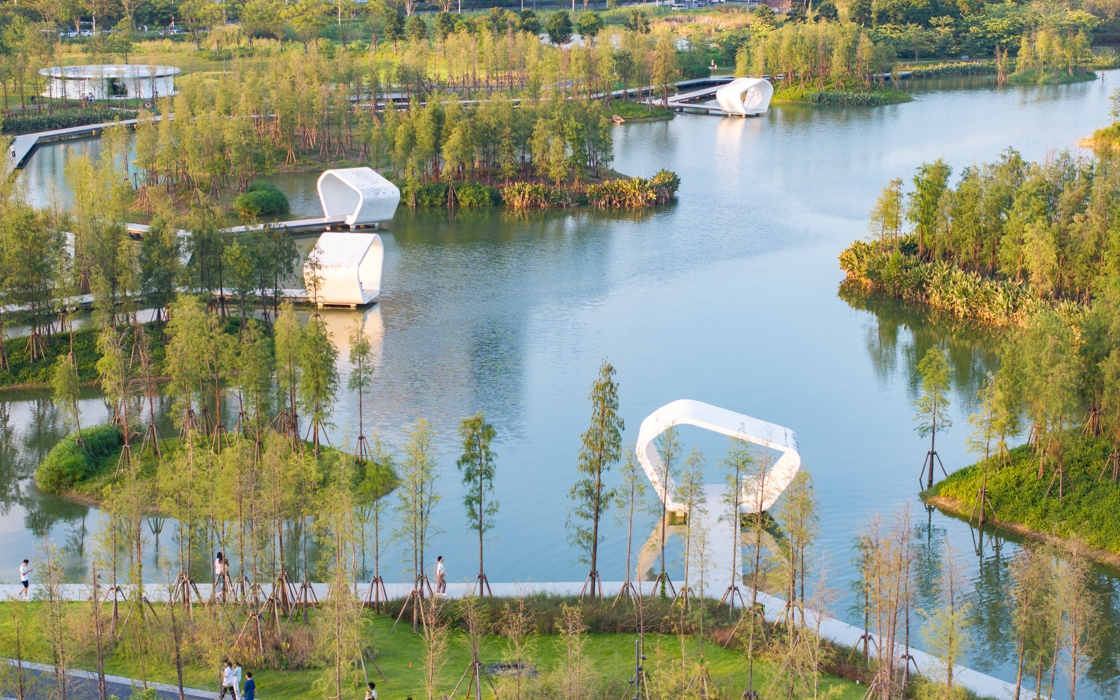
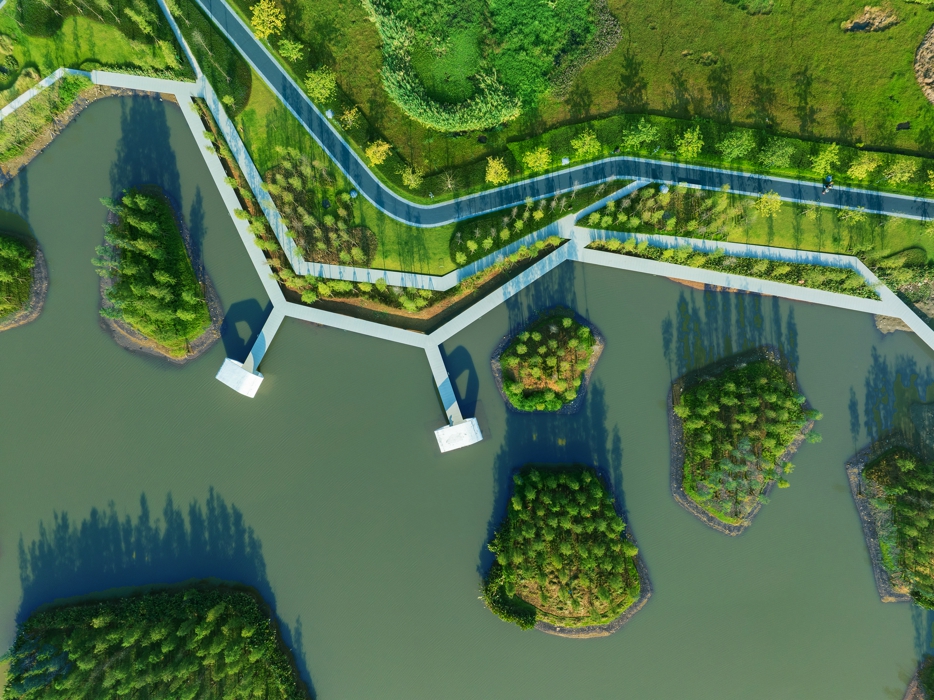
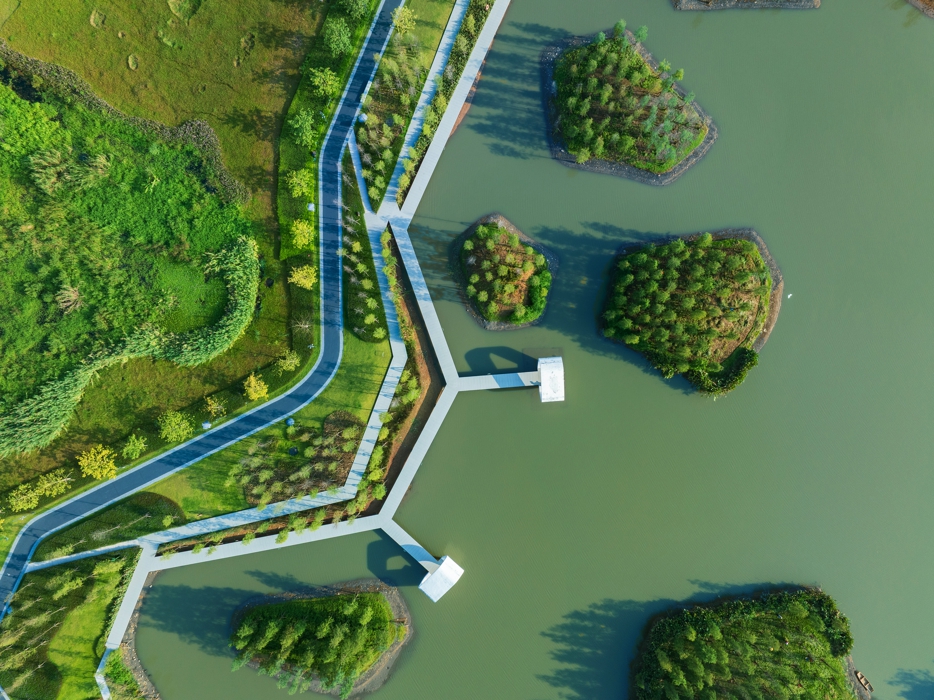
Bamboo-covered islands, shallow-water habitats, and mudflats are restored and enhanced to provide diverse ecological niches for herons, egrets, and other wetland species, while limiting disturbance from surrounding urban activities.
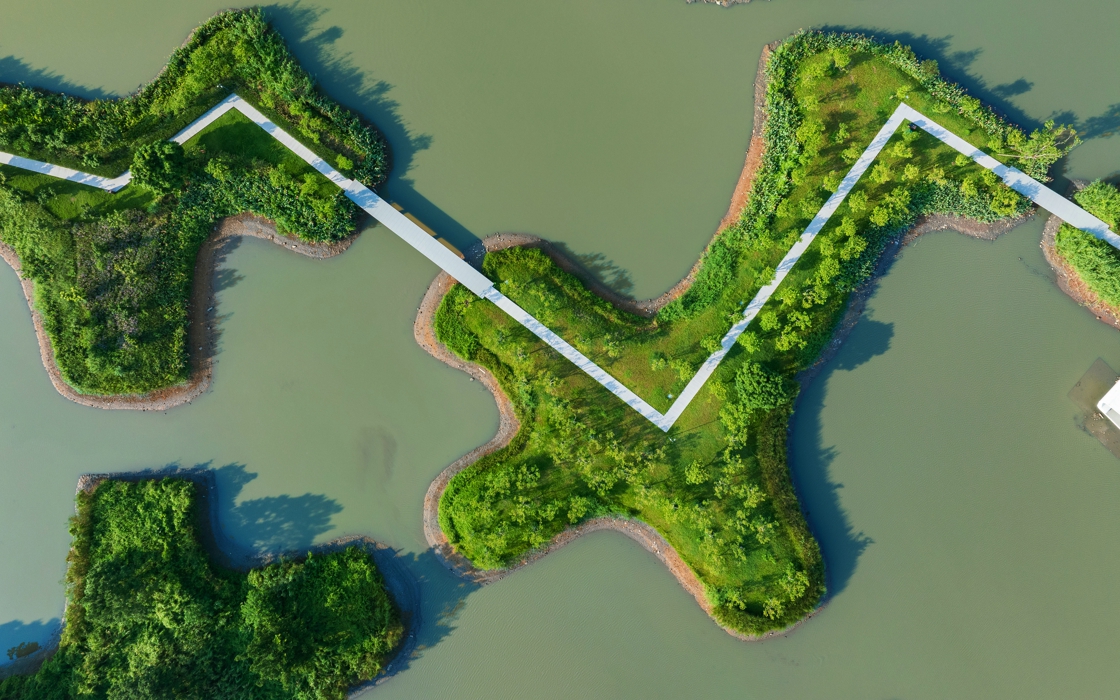
The original fishpond pattern is retained, with native fruit trees and suitable vegetation introduced along the existing pond dikes. This approach recalls Shunde's traditional mulberry- and fruit-tree dike–pond landscapes and draws on their principles of nutrient cycling, resource efficiency, and ecological interdependence.
Through rewilding, abandoned fishponds are transformed into living habitats, where birds are not merely occasional visitors but enduring inhabitants of the urban landscape.
Strategy 3: Immersive Nature Experience — Bring People Closer to Nature While Keeping Disturbance at Bay
The project redefines recreation as an opportunity to engage with nature on nature's terms.
Based on habitat sensitivity and patterns of public use, the park establishes a graduated system of access, ranging from strictly protected ecological sanctuaries to carefully managed nature-experience areas and more active urban edges.
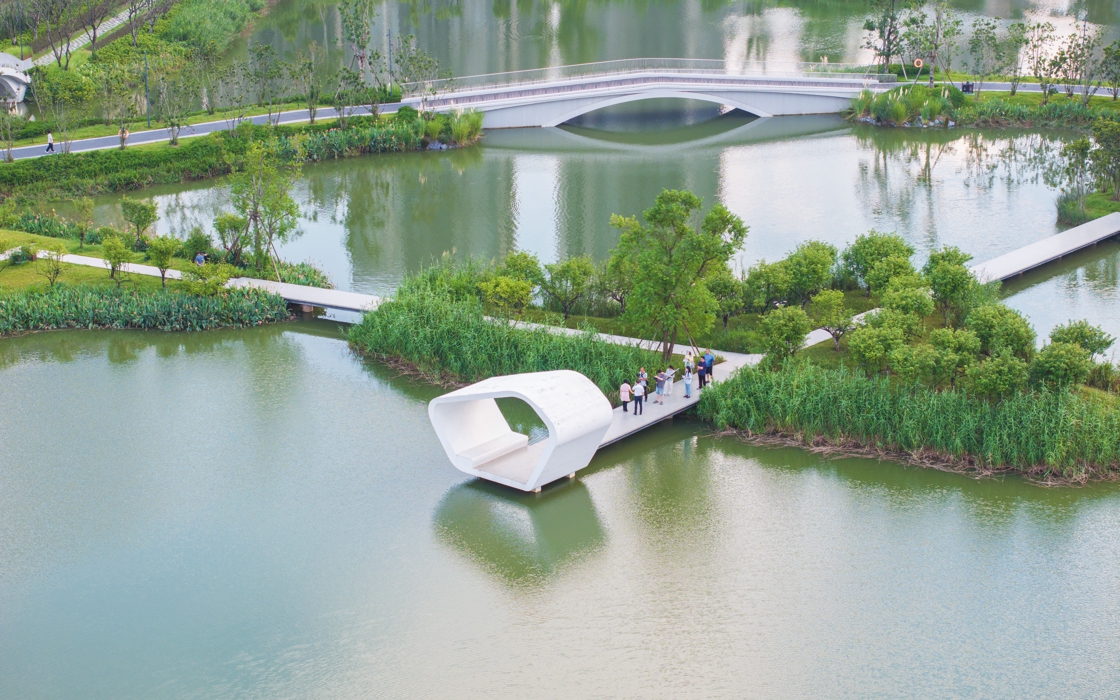
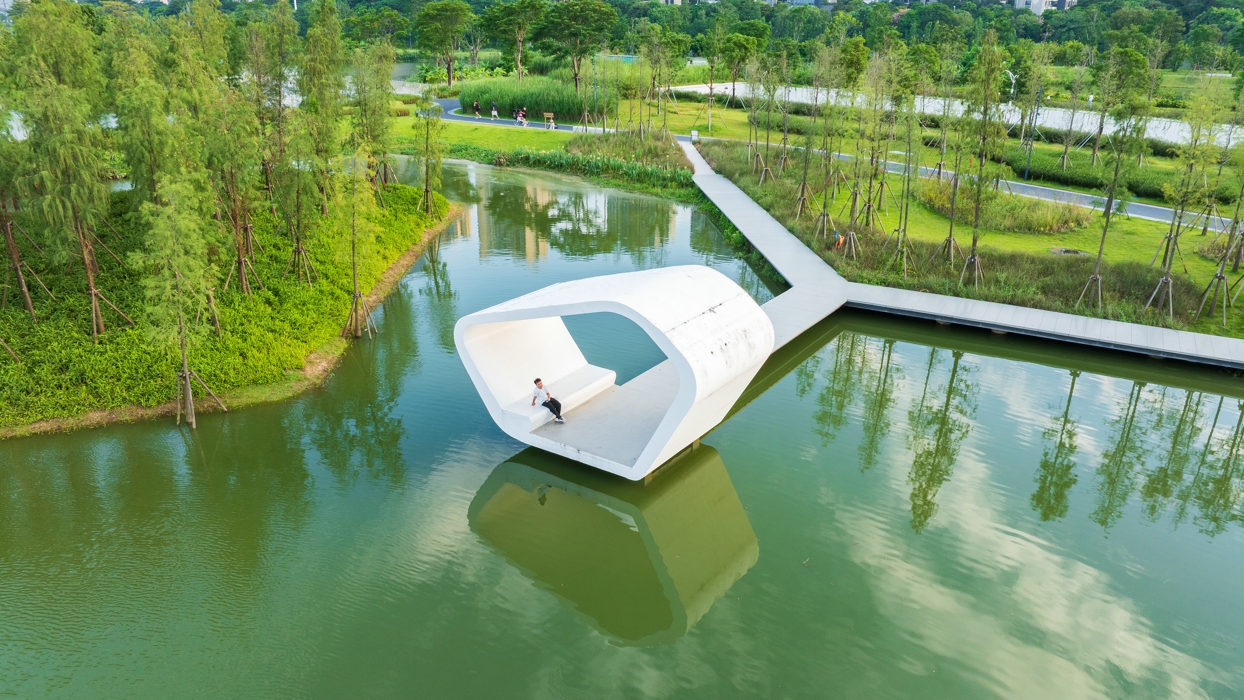
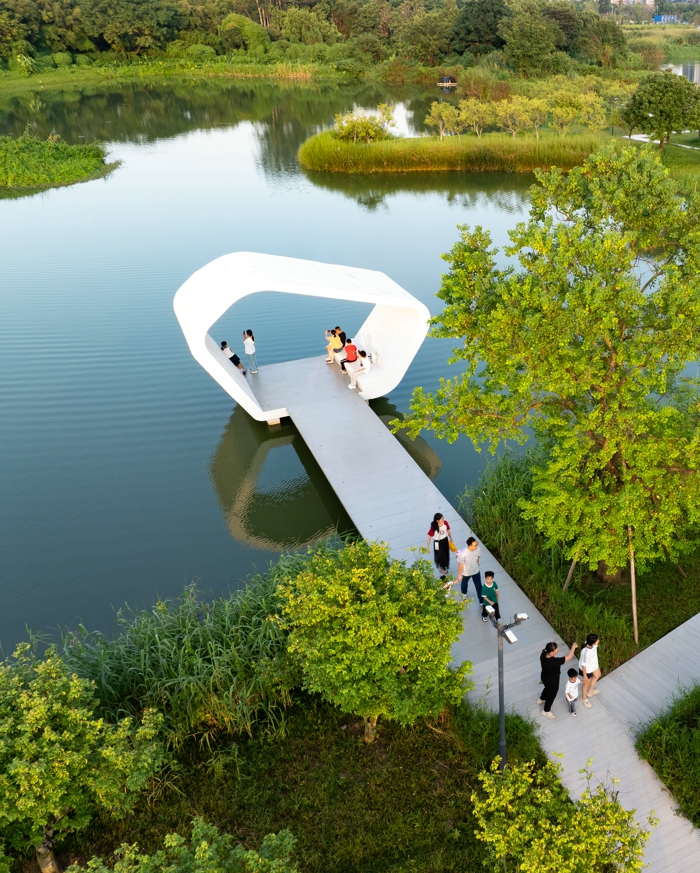
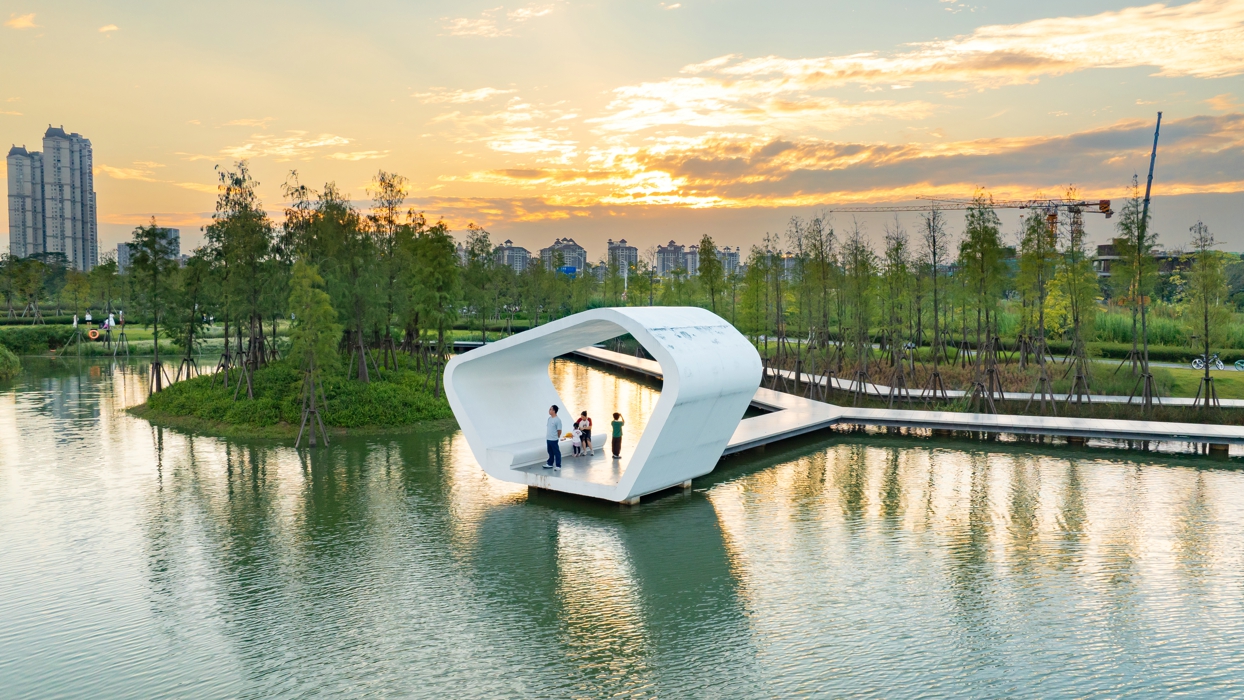
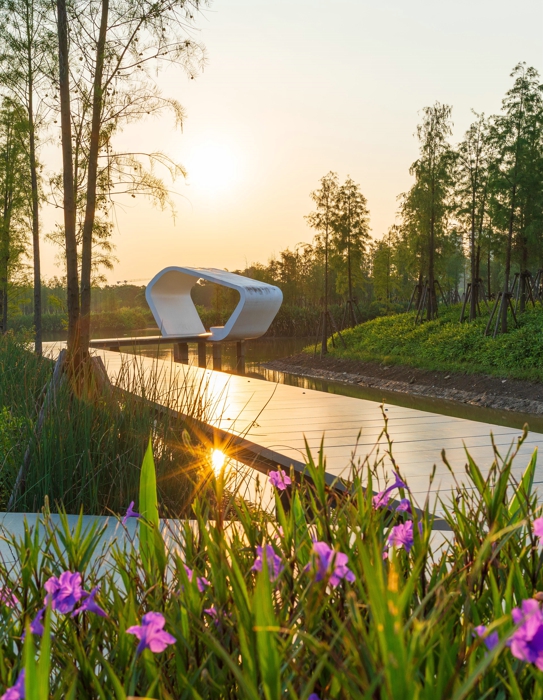
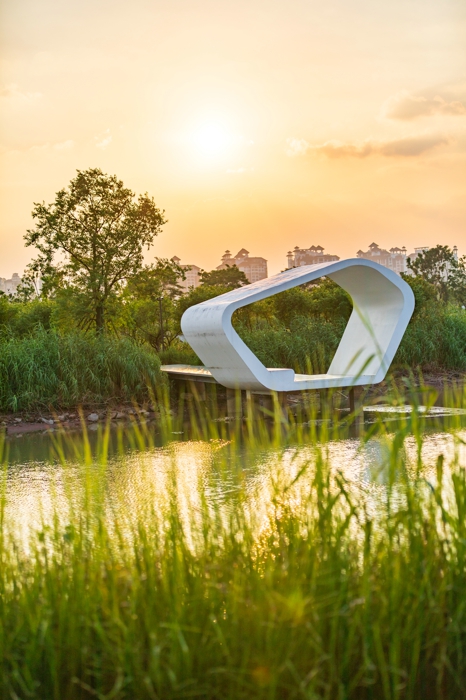
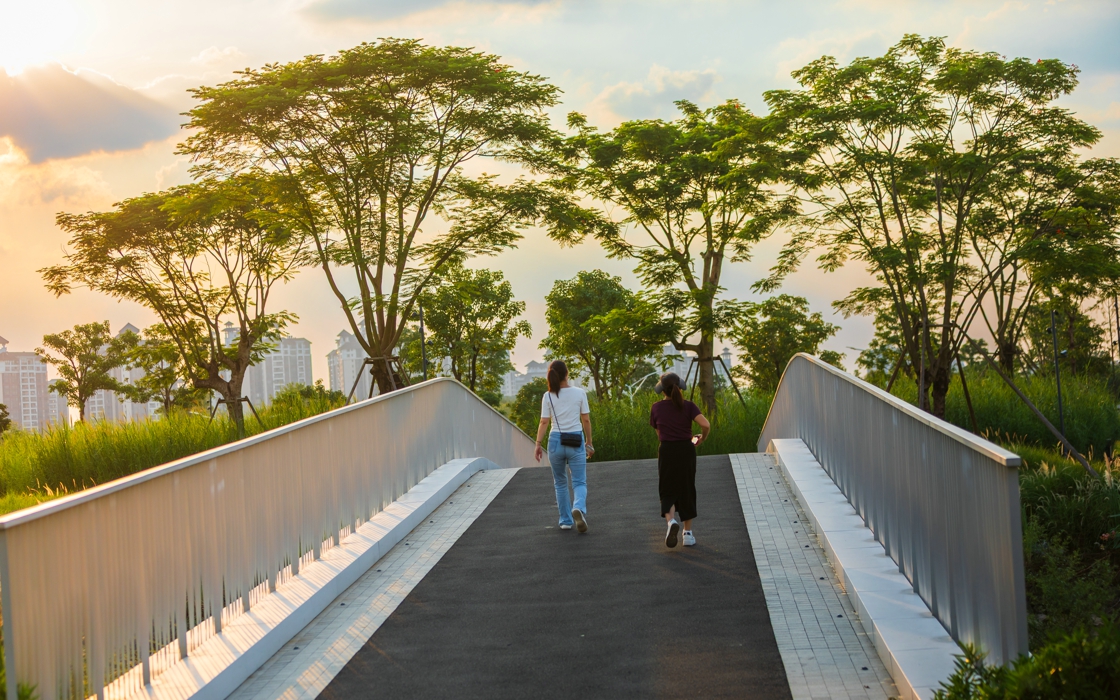
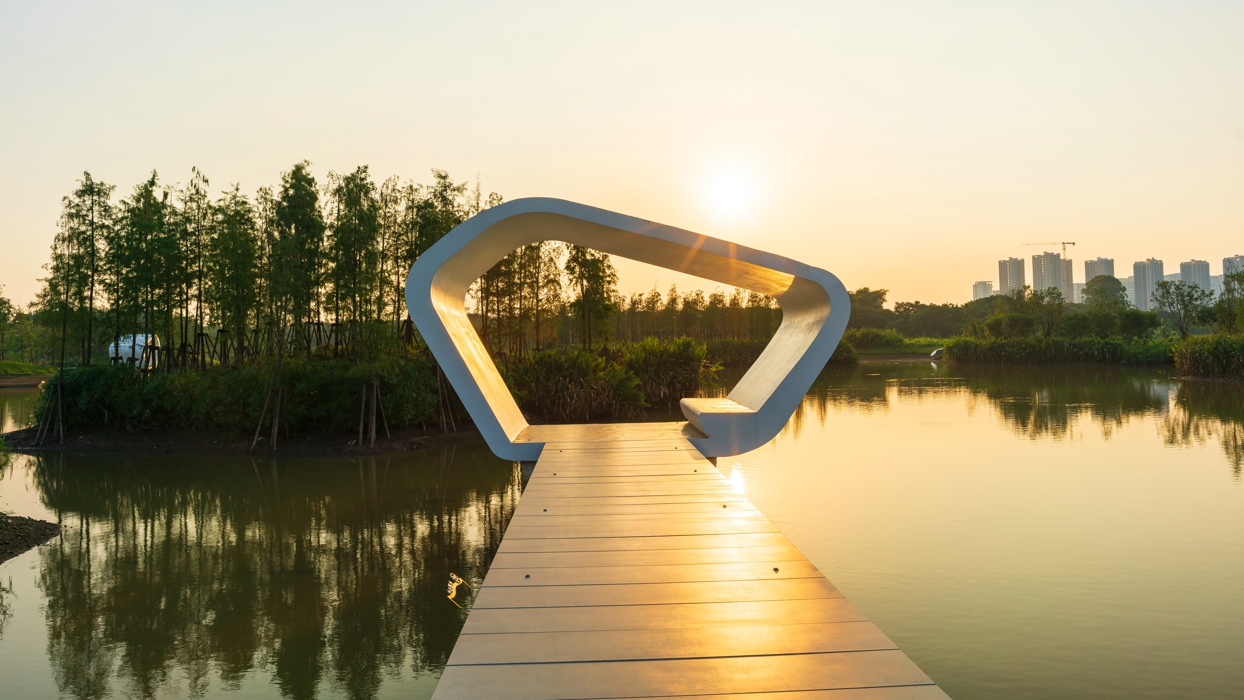
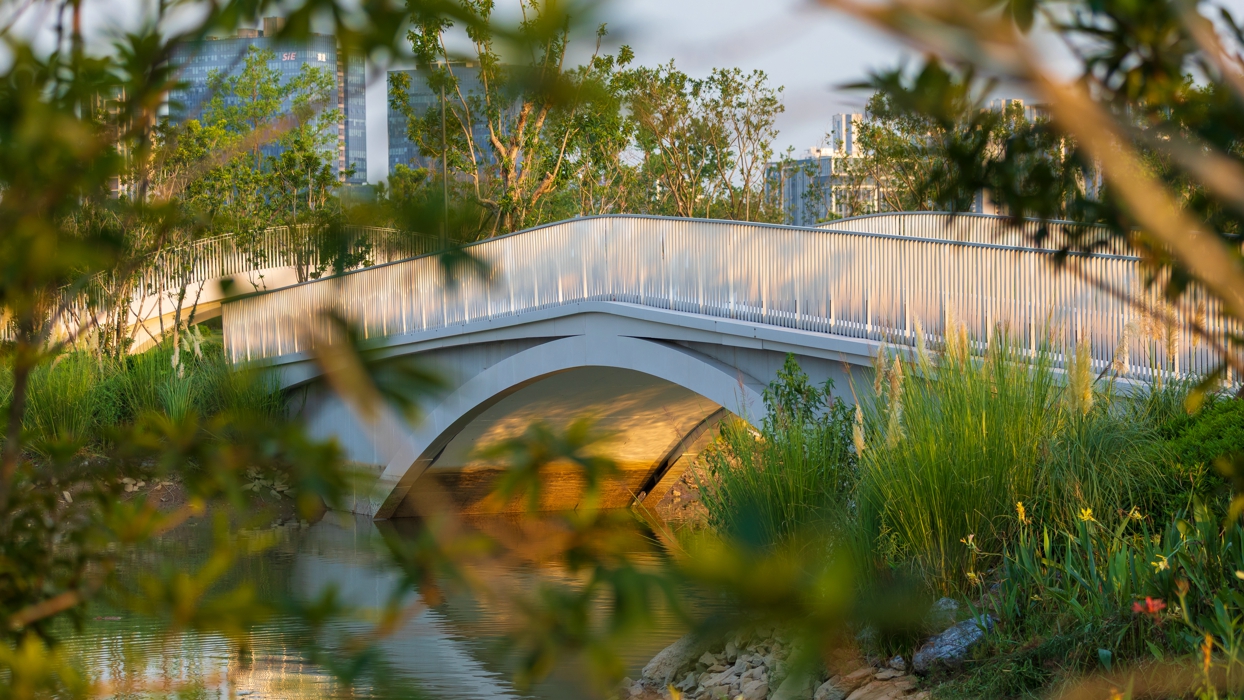
Low-disturbance birdwatching facilities—including observation towers, birdwatching corridors, and bird hides—are strategically positioned in appropriate locations. Ecological boardwalks, interpretive trails, and environmental education spaces allow visitors to observe wildlife and experience the wetland without intruding upon its most sensitive habitats.
Along the city-facing edges, waterfront spaces, carefully managed boating experiences, recreational facilities, and visitor service stations provide opportunities for leisure and physical activity while keeping intensive human uses away from core conservation areas.
In this way, the wetland becomes both a sanctuary for wildlife and a living classroom for the city, bringing together ecological conservation, environmental education, immersive nature experiences, and public recreation.
4. Conclusion
Yunlu Wetland Park is more than the transformation of abandoned fishponds into a public park. It represents an alternative approach to urban development—one that allows cities and natural systems to thrive together.
Rooted in the ecological wisdom of Shunde's traditional mulberry-dike fishpond system, the project preserves the existing landscape structure, restores wetland hydrology, and regenerates critical bird habitats.
Through Sponge-City Design, Rewilding, and Immersive Nature Experience, the park integrates biodiversity conservation, urban flood resilience, and public life into a multifunctional ecological landscape.
Here, wetlands are no longer regarded as vacant land awaiting development, but as essential living infrastructure that sustains urban safety and ecological health. Birds are not displaced to make room for the city; they are recognized as inhabitants with whom the city must learn to coexist. The park is no longer simply a place for recreation, but a vital connection between people, wildlife, and the natural processes that sustain urban life.
From traditional fishponds to resilient urban wetlands, and from habitat conservation to a renewed relationship between people and nature, Yunlu Wetland Park demonstrates how local ecological wisdom can address global urban challenges.
It offers a compelling model for the future of high-density cities—one in which urban growth does not come at the expense of nature, but creates new opportunities for people and wildlife to thrive together.
